
In Singapore, miles are often seen as “free travel”—but not all redemptions are created equal. Sometimes, redeeming KrisFlyer miles for a flight gives you great value. Other times, you’d be better off paying cash and saving those hard-earned miles for a bigger trip.
To figure out if your miles are being used wisely, you need to understand two things:
1️⃣ How much it costs to get miles
2️⃣ How much you get when you spend those miles
1. How much it costs to get Miles
Let’s clear up one of the biggest myths in the miles game: Miles are NOT free.
Even if you earn them from “normal spending,” you’re still paying for them in one way or another — through fees, hidden charges, or the rewards you gave up. So the real question you should always ask is: How much am I actually paying per mile?. Once you understand this, everything about whether a promo or payment method is “worth it” becomes way easier.
Here are the common ways you “pay” for miles:
Credit card fees
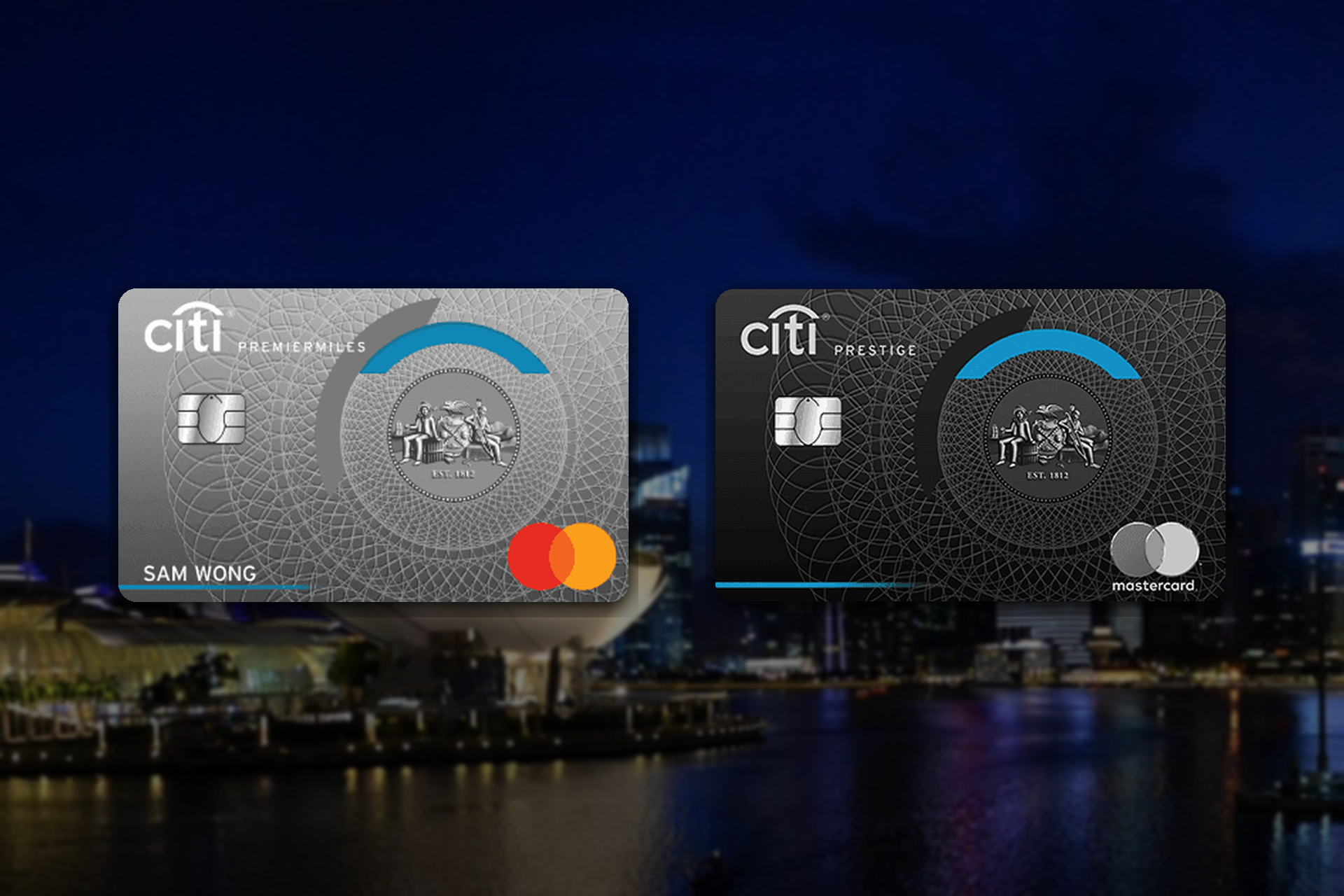
Example: You use Cardup to pay insurance or tax and earn miles. If Cardup charges a 1.79% fee, and if your card earns 1.4 miles per dollar, the math works out to each mile costing about 1.26 cents.
Foreign currency fees
When you swipe overseas, banks charge around 3.25% FX fee. Depending on your miles card earn rate, this could mean you’re effectively paying close to 1 cent per mile.
Buying miles directly
Some programs (including KrisFlyer top-ups) sell miles at 3–5 cents each. This is usually a bad deal since you can almost always earn them cheaper through cards.
Forgoing cashback
If you use a 1.5% cashback card, you’re getting guaranteed money. If you switch to a miles card that earns 1.2 miles per dollar, you’re giving up that 1.5% in exchange for the hope that your miles will later be worth more than that.
📌 Key Idea: Always ask yourself — What am I effectively paying per mile? If your cost is higher than what you think a mile is worth, it’s a bad deal.
Example:
Paying S$1,000 through CardUp at a 1.79% fee with a 1.4 mpd card (UOB PRVI Miles Visa):
- Service Fee: S$1,000 × 1.79% = S$17.90
- Miles Earned: S$1,000 × (1 + 0.0179) × 1.4 = 1,425 miles
- Cost Per Mile: S$17.90 ÷ 1,425 = 1.26¢ per mile
Most people set their ceiling at 1.25–1.5¢ per mile. Anything higher, and it’s usually not worth buying miles this way.
2. How much you get when you spend a mile
Once you’ve earned miles, the next question is: What are they worth when you use them?
The formula is straightforward:
Value per Mile = (Cash Price – Taxes & Fees) ÷ Miles Required
Example:
Singapore – San Francisco (Return) via Singapore Airlines
Class | Cash Price | Miles Required | Taxes & Fees | Value per Mile |
Economy Saver | S$3,382 | 88,000 miles | ~S$120 | 3.70¢ |
Business Saver | S$12,242 | 225,000 miles | ~S$120 | 5.38¢ |
Economy Saver:
(S$3,382 – S$120) ÷ 88,000 = 3.70¢ per mile
Business Saver:
(S$12,242 – S$120) ÷ 225,000 = 5.38¢ per mile
But wait…. that’s not all.
Have you heard of the Value Trap?
Here’s where many people slip up: they fall into the value trap—redeeming miles for low-value redemptions just because they can. For instance, using 10,000 miles for a short S$150 flight might sound like a good deal, but you’re only getting about 1.5¢ of value per mile. That’s barely worth it when those same miles could be used for a long-haul or Business Class ticket worth 3–6¢ per mile.
Note that not every redemption is created equal. The better way is to compare the cash price versus the miles required before booking. If the math shows you’re getting poor value, pay cash and save those miles for something bigger. Smart collectors don’t redeem miles just for convenience—they redeem when it truly makes sense.
Maximizing Your Value
If you want to stretch every mile, here are a few smart strategies:
Redeem for long-haul premium cabins.
Business and First Class flights often give you 2x–4x more value per mile.
Book during Saver awards.
Singapore Airlines’ Saver rates are significantly cheaper than Advantage rates, which can cost up to 60% more miles. Spontaneous Escapes are great too, if you are flexible on schedule as well as travel destination.
Transfer only when needed.
Keep miles in your credit card points pool (e.g., Citi Miles, DBS Points) until you’re ready to redeem. Once transferred to KrisFlyer, expiry clocks start ticking.
Track your effective value.
Each time you book, calculate your redemption value using the formula. Over time, you’ll get a better sense of what’s “worth it” for you.
Conclusion:
In Singapore, many people see miles as “free travel,” but savvy collectors know they’re rarely free. Behind every mile is a cost — whether it’s service fees, forgone cashback, or opportunity costs. That’s why smart travelers set clear benchmarks: earning miles at no more than 1.5¢ each and redeeming them at no less than 1.7¢ each. They save their miles for redemptions that deliver real value, like premium cabins and long-haul flights, and keep their points flexible until they’re ready to book. For them, it’s not about hoarding miles — it’s about earning strategically and redeeming intentionally.
The “value per mile” formula assumes that the cash price represents what you would have actually paid. In reality, most travellers wouldn’t spend S$12,000 on a Business Class ticket to San Francisco. If your realistic alternative was an Economy fare (or even a discounted Premium Economy deal), then the 5.38¢ figure doesn’t reflect your true savings.
This is the value trap — when high-value calculations make a redemption look amazing, but the comparison is unrealistic. The miles only “saved” you S$12,000 if that’s what you were genuinely prepared to spend. Otherwise, the real-world value might be much closer to 2–3¢ per mile — what you’d save versus the fare you’d actually buy.
So when evaluating redemptions:
- Always ask what your next-best realistic option is, not the most expensive one.
- Avoid overvaluing miles just because a Business or First redemption looks expensive in cash.
- True value comes from how much money you actually save, not how much the airline claims the seat costs